Seakeeper 40 Installation Manual (90715-3) 40-244-0121 to 40-254-0199
4.0 Cooling Installation
4.1 Cooling Installation Introduction
The Seakeeper 40 is shipped with the cooling circuit filled and ready for use. Only a quick confirmation of glycol level is required.
Reference Documents
- 90710 – Seakeeper 40 Cable Block Diagram
- 90711 – Seakeeper 40 Cooling Water Schematic
- 30628 – 24 VDC Seawater Pump and Valve Assembly
- TB-90947 – Seawater Plumbing Best Practices
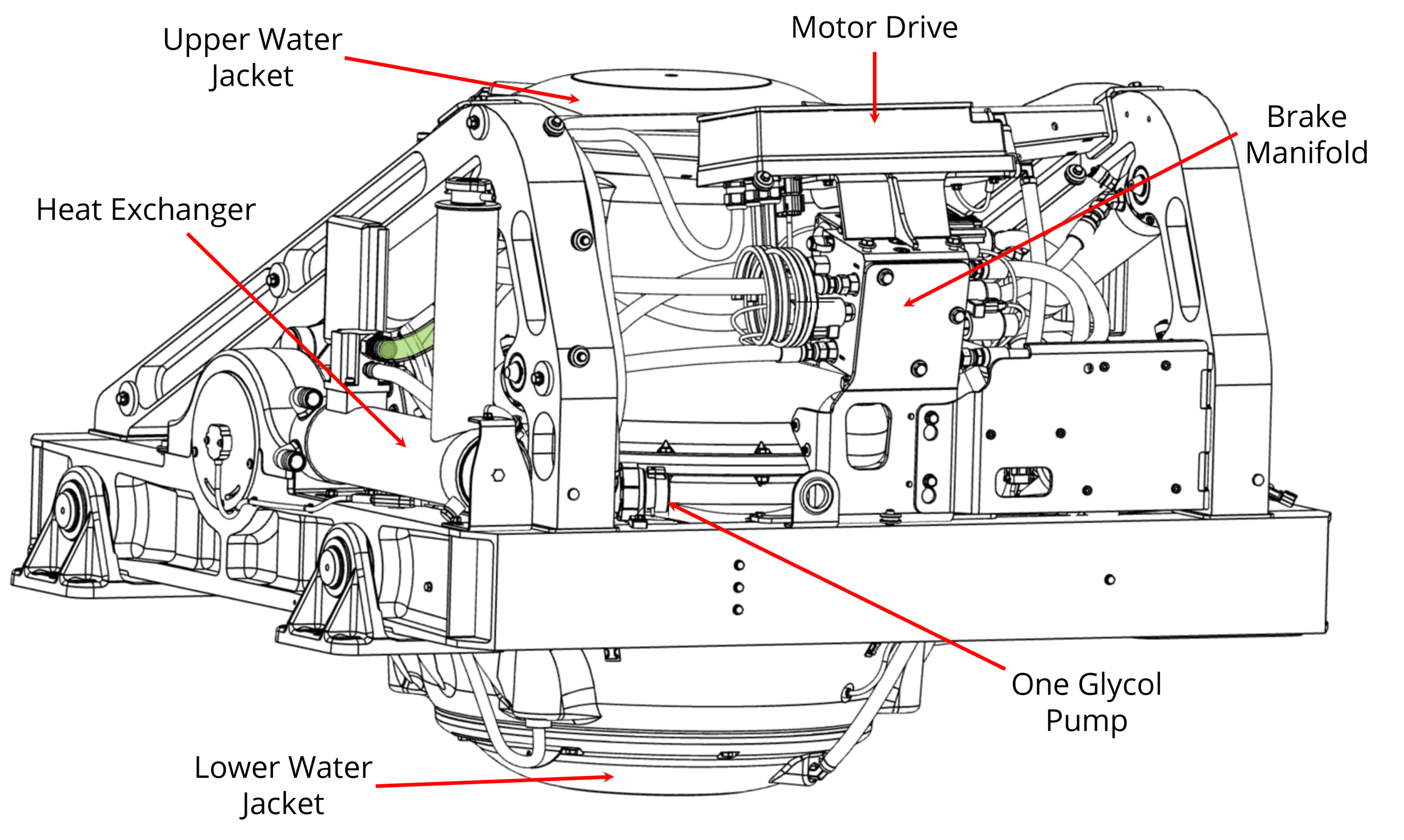
The Seakeeper 40 is shipped with the cooling circuit filled and ready for use. The Seakeeper 40 requires connection to a raw water pump, referred to as the seawater pump, to cool the closed loop cooling circuit on the unit. The required seawater flow through the Seakeeper 40 heat exchanger is between 13 – 15 GPM (49.2 – 56.8 LPM) when the on-demand cooling system requires cooling. Prior to operation, confirmation of glycol level is recommended.
Seakeeper offers a compatible self-priming DC Seawater Pump and electric isolation valve (P/N 30628) prewired for the Seakeeper 40 Installation and covered under the standard Seakeeper warranty. The pump conforms to the seawater plumbing best practices noted in TB-90947. See Drawing No. 30628, SeaFlo® Seawater Pump Assembly, and the Seakeeper Options and Accessories Price List for details.
4.2 Installation Considerations
- Installer is responsible for supplying a dedicated seawater pump, motorized ball valve, and associated plumbing. Seawater connections on the heat exchanger mate with 1 in. (25.4 mm) hose. An optional seawater pump and ball valve assembly can be purchased through Seakeeper (P/N 30628).
- Unintended seawater flow from the seawater pick-up during the vessel’s underway operation is unacceptable and may cause stress to internal components. Unintended flow should be mitigated through pump selection, using a diaphragm-style pump or an inlet control valve. Continuous cooling flow from shared through-hull plumbing, a centralized chiller, or a cooling system is unacceptable for on-demand Seakeeper models.
- There is no need to disconnect hose from glycol pump except to replace the pump. In this case, provision will need to be made to catch draining glycol as plumbing is disconnected. Use caution to avoid breaking plastic hose connections on pump casing.
- An output is available from the Seakeeper 40 wire harness to power and automatically control seawater pump and electric ball valve. This pump and valve must operate on 24 VDC and consume less than 20 A. Pumps requiring other voltages or higher current can still be controlled by using this supply from the wire harness to trigger an installer-supplied contactor, but a separate source of power must be provided.
- The seawater pump and ball valve are powered by Seawater Pump Output Cable, via “SW Pump 24 VDC Out” on the Seakeeper 40, as outlined in Electrical Installation section.
- A dedicated through-hull fitting should be installed for each Seakeeper unit onboard the vessel to ensure sufficient seawater flow to each unit.
- It is recommended the seawater pump be installed below the waterline, as close to baseline of the vessel as practically possible, to maintain positive inlet pressure on the pump in all operating conditions.
- A self-priming seawater pump may be required to maintain water flow in all underway conditions. Cavitation can occur at the seawater inlet and potentially cause an air-lock condition restricting seawater flow to the heat exchanger.
- Maximum seawater pressure in heat exchanger is 20 psi (1.4 bar).
- Seawater flow requirement through heat exchanger is 13 GPM (49.2 LPM) minimum and 15 GPM (56.8 LPM) maximum under all operating conditions of the boat. When sizing the seawater pump, the installer should factor in losses for raw water plumbing. In addition to initial operation at the dock, new Seakeeper installations should be checked to be within the flow requirements while the vessel is at speed. Flows above 15 GPM (56.8 LPM) could affect heat exchanger life.
- Vented loops are optional and should only be considered with centrifugal style pumps. Self-priming or positive displacement style pumps do not require a vented loop, including Seakeeper supplied optional pump (P/N 30628).
4.3 Connecting Seawater to Heat Exchanger
Connecting Seawater Pump to Heat Exchanger
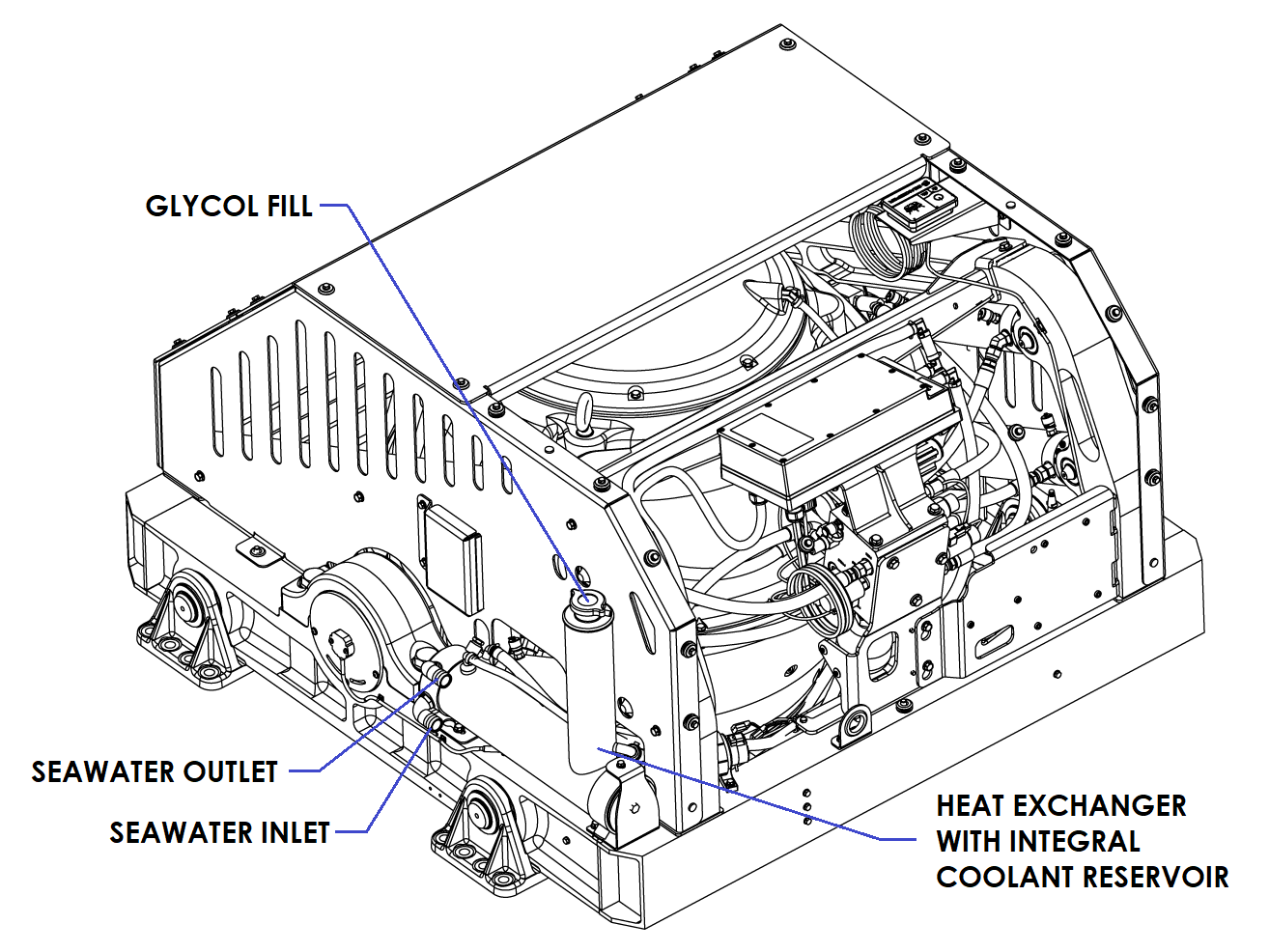
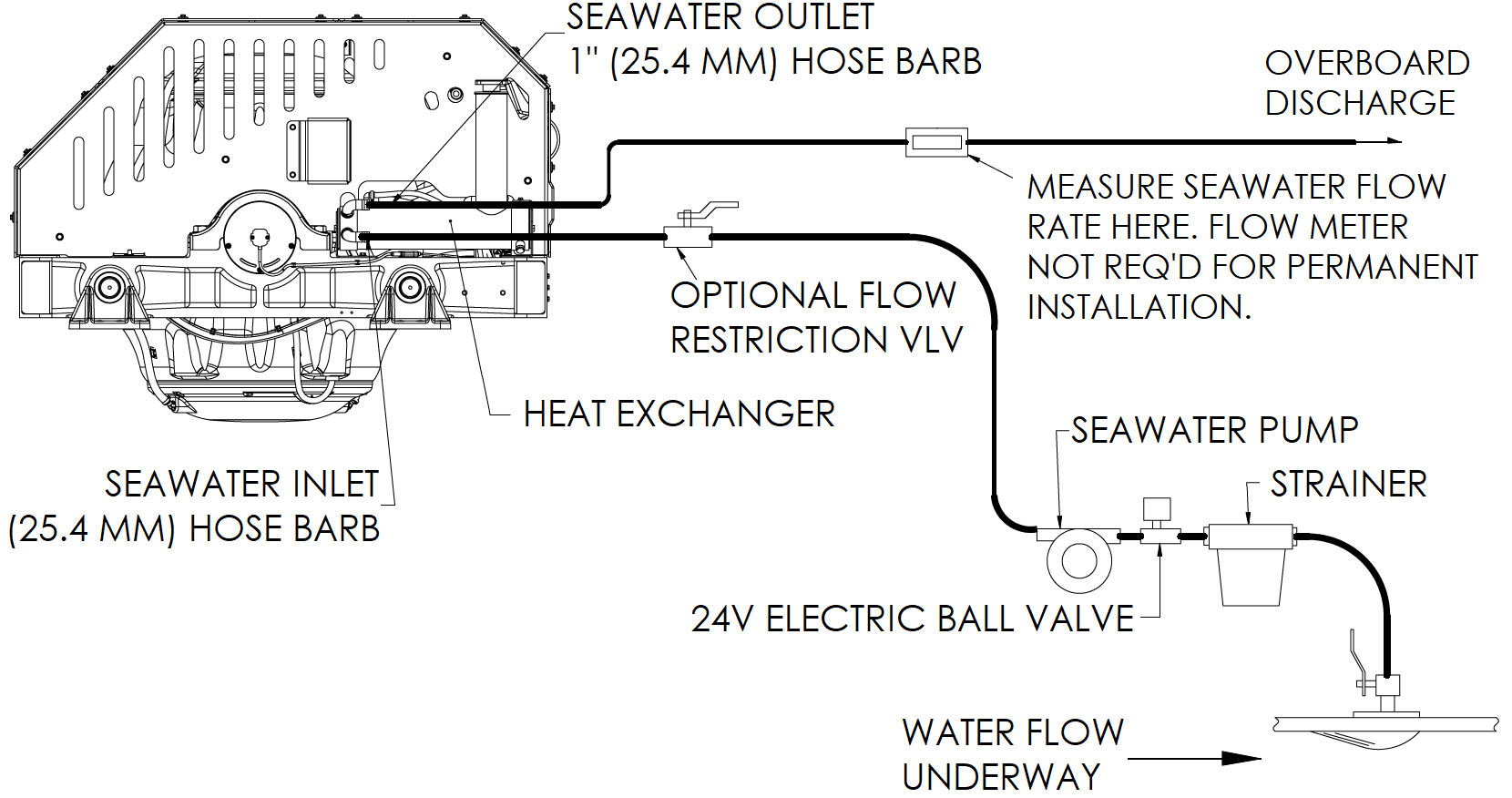
- Connect seawater from installer-supplied pump to lower 1 in. (25.4 mm) hose barb on heat exchanger. Use the same practices as other below waterline seawater plumbing. Required flow rate is 13 GPM (49.1 LPM) minimum and 15 GPM (56.8 LPM) maximum.
- Connect seawater discharge (upper hose barb) to overboard drain. Use the same practices as typical below waterline seawater plumbing.
- In addition to initial operation at dock, new installations should be checked with a flow meter for minimum 13 GPM (49.1 LPM) and maximum of 15 GPM (56.8 LPM) flow under all normal operating conditions.
- If no other method of confirming flow is available, discharge line may be temporarily diverted to a bucket. Flow is calculated from time to fill a known volume.
- A self-priming seawater pump (customer/installer supplied) may be required due to installation location to maintain water flow in all underway conditions where cavitation near the intake may occur and potentially cause an air-lock condition restricting seawater flow to the heat exchanger.
- Inspect raw water plumbing after sea trial for any signs of leakage.
- Heat exchanger contains removable end-caps to provide access for cleaning the tube bundle.

Seakeeper Optional DC Seawater Pump and Electric Ball Valve (P/N 30628)
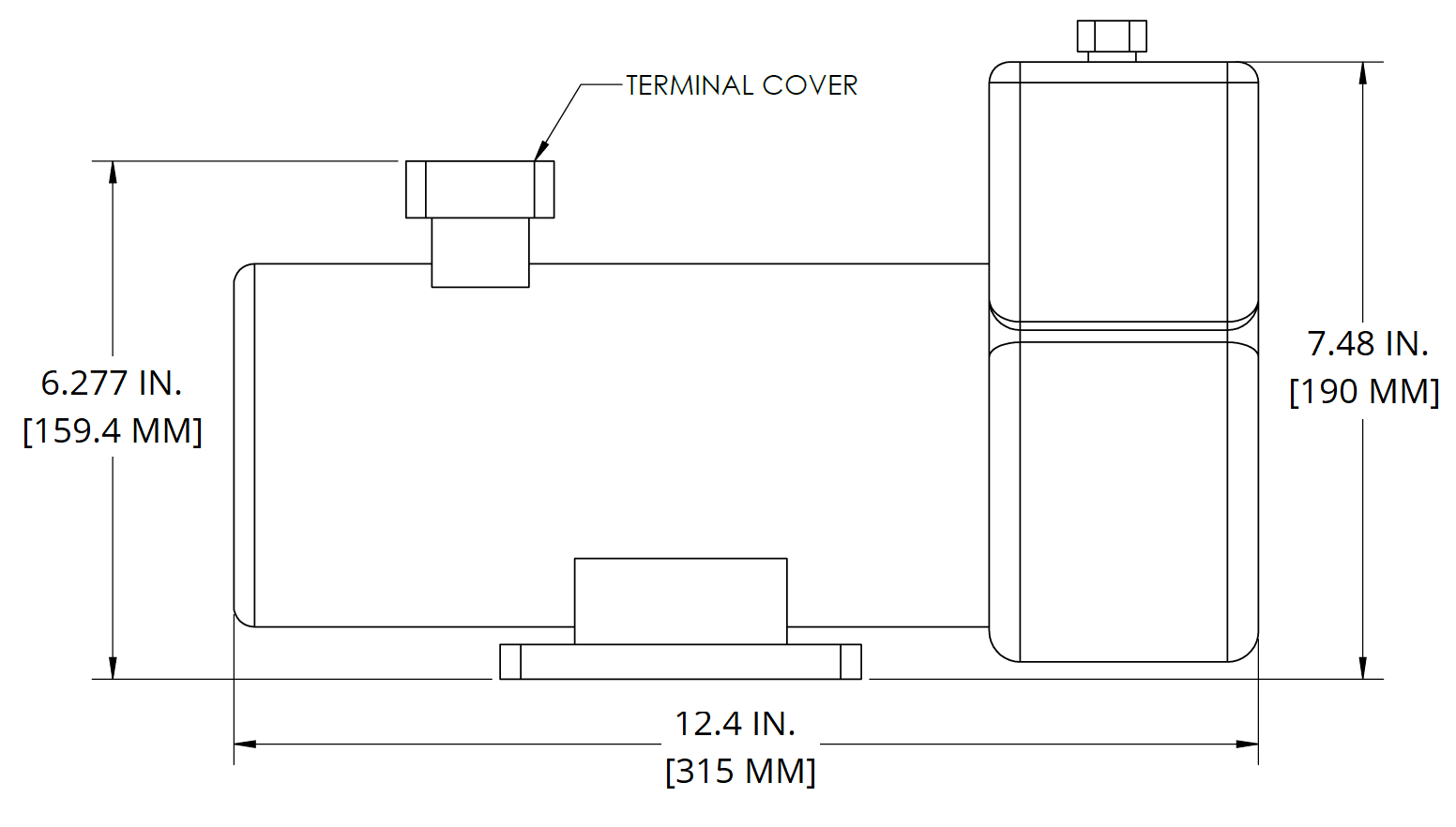
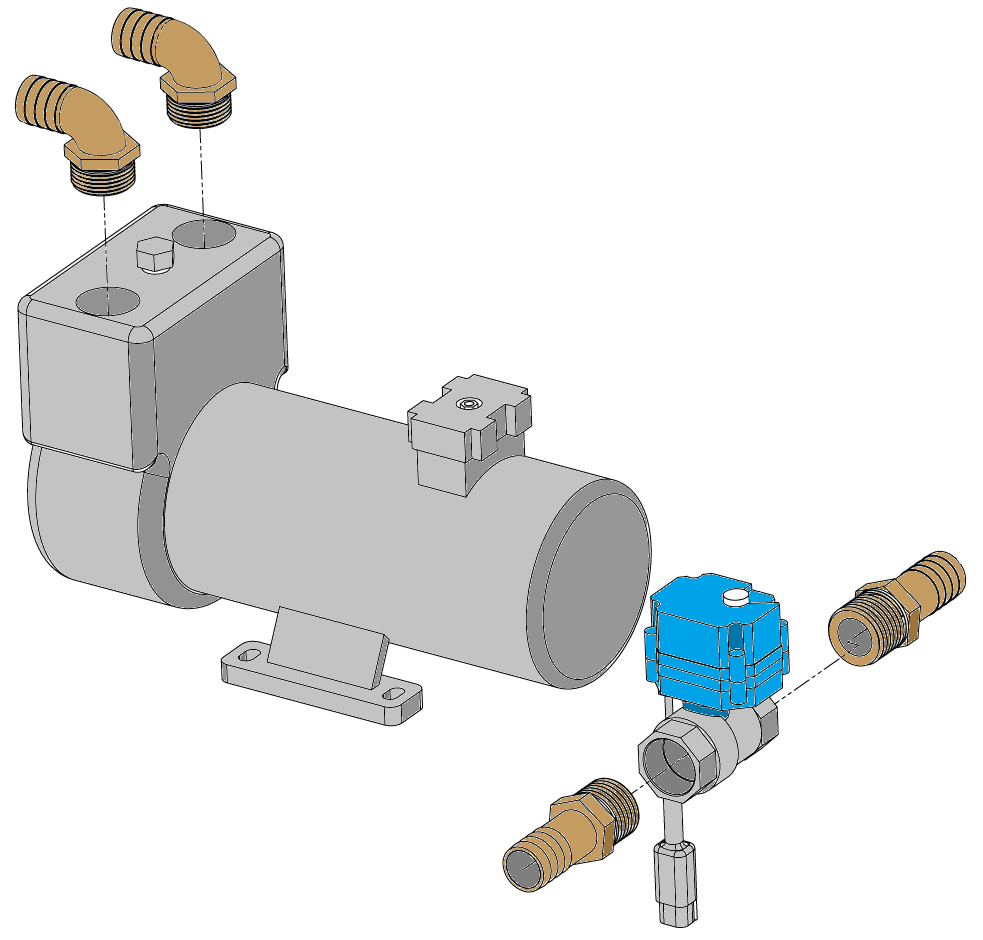
- Seakeeper offers a self-priming DC Seawater Pump and motorized ball valve as an optional addition, P/N 30628 – 24 VDC Seawater Pump, shown in Figure 29A and 29B.
- Pump fittings are 3/4 in. NPT. To connect to Seakeeper 40 heat exchanger, a 3/4 to 1 in. barbed adapter will be necessary. Use pipe sealant on the threads and other connections.
- The base does not require direct mounting if one of the pipe flanges is rigid mounted. Do not rigid mount both the flanges and the base to avoid mounting tolerances that may distort the motor base. Install the pump with the shaft in a horizontal direction. NEVER install the pump vertical with the motor below the pump.
- Figure 29A provides dimensions for mounting the DC Seawater Pump.
- The seawater pump and motorized ball valve is pre-wired for connection to the Seakeeper 40 wire harness through “DC SW PUMP OUT” cable. The pump specifications are as follows:
| Voltage | 24 VDC |
| Overcurrent Protection Rating | 20 A |
| Suction Lift | 26 FT |
| Flow Rate | 23 GPM with 10 FT suction head |
| Ignition Protection | ISO 8846 or equivalent |
4.4 Adding Coolant
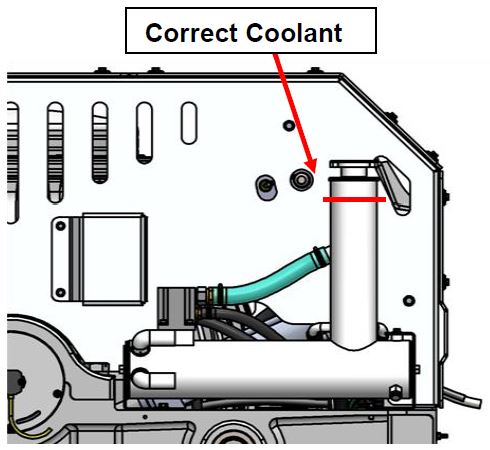
- Cooling system is filled to proper level when shipped, with a mixture of 50% ethylene glycol and 50% distilled water. The clear tube between the thermostat housing and reservoir should be filled with green coolant mixture. If level has dropped, check for evidence of leaks at all connections before adding fluid as described below. If coolant is at the correct level, skip to Section: Connecting Seawater to Heat Exchanger.
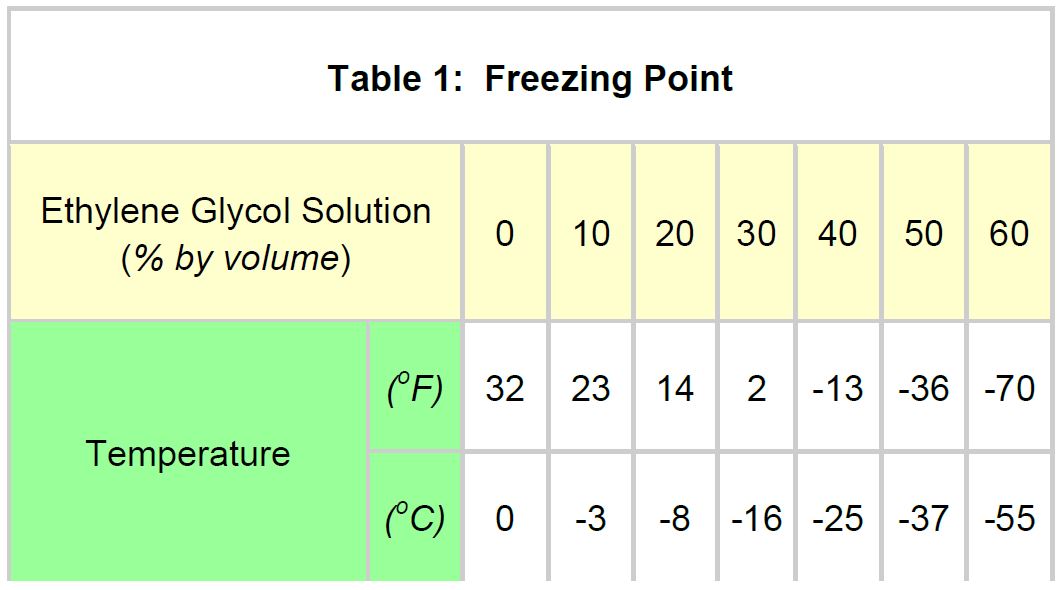
- Mix 50% ethylene glycol with 50% distilled water in a clean container. Refer to Table 1 or glycol manufacturer’s literature for freezing points.
- Remove pressure cap on top of reservoir. Pour mixture in until level is 1 – 2 inches from top of reservoir as shown in Figure 30. Filling reservoir above this level will not cause any damage but coolant may be expelled from pressure relief port below cap due to normal thermal expansion of coolant.
- Connect 24 V to controller.
- At the Display check for any ALARMS
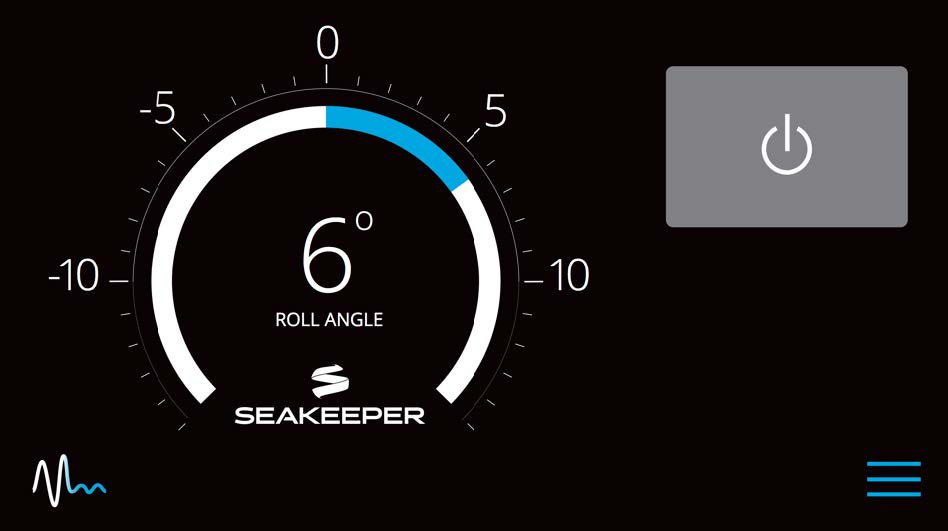
- Press the POWER ON/OFF button.

- The flywheel will start to spin and the glycol pump will start.
- Recheck glycol level with fluid circulating in coolant circuit. Sight down inside reservoir and check that coolant level is above upper port on reservoir as shown in Figure 30. Replace cap.
- After several minutes of running, press POWER ON/OFF button
 to turn power off to the flywheel and glycol pump.
- At the Display check for any ALARMS
- The cooling system is self-purging. If small amounts of air are in the system, they will most likely be dislodged during the first sea trial. Re-check level after sea trial and add fluid if required.